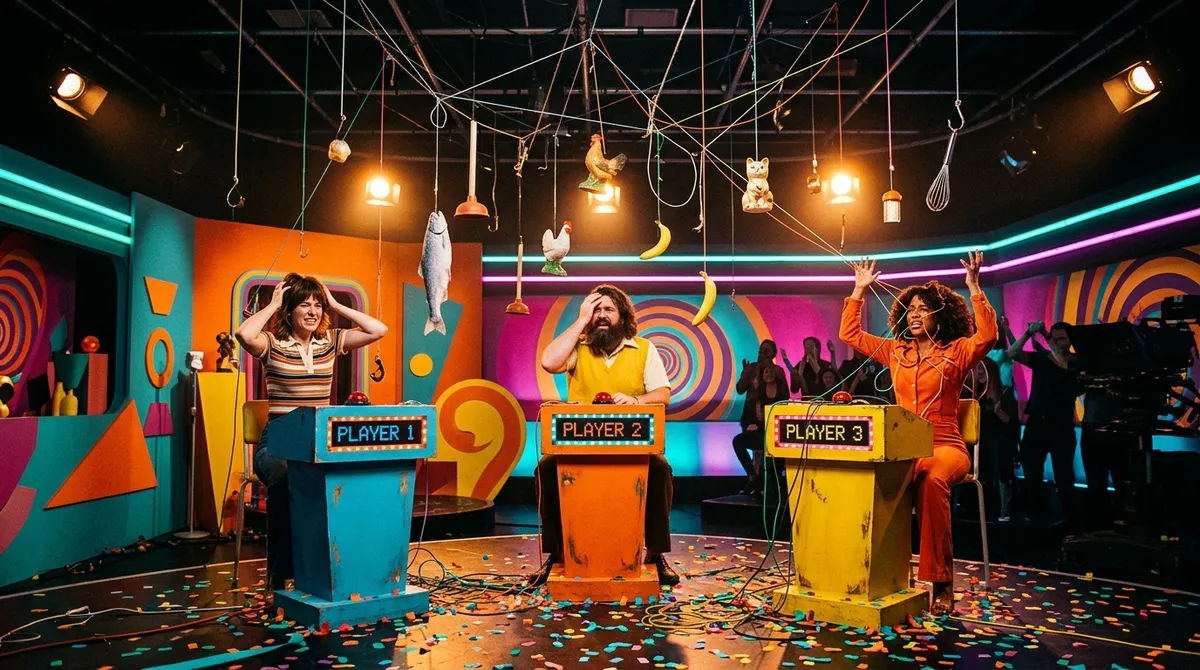
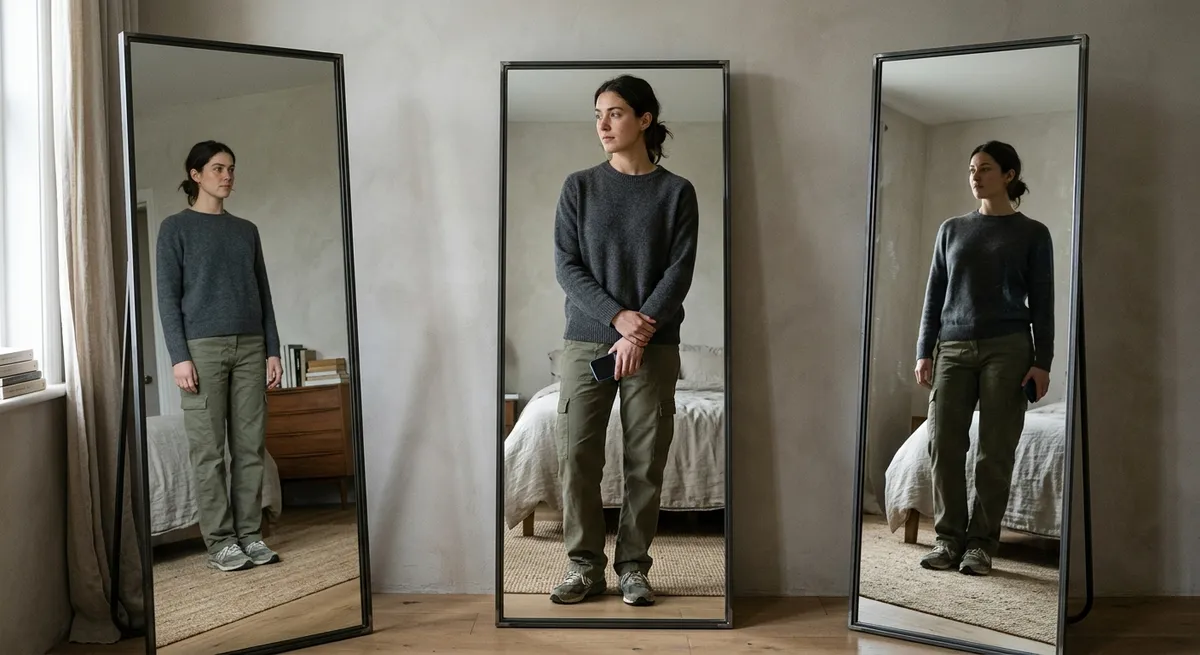
The world of social media is a double-edged sword for young women, particularly in New Zealand. Research indicates that they are bombarded with conflicting body ideals—thin, curvy, toned, muscular, and sometimes all at once. This contradictory guidance is woven into the very fabric of fitness and beauty content online, presenting an impossible body checklist that many feel pressured to meet. The pressure can be overwhelming, and it’s shaping how women see themselves in a profound way.
The Chaos of Modern Body Ideals
Social media platforms are where trends flourish, but the weight of those trends can be crushing. Young women find themselves drawn into a cycle of comparison, where fitspiration posts can feel empowering yet lead to dangerous habits. The push to achieve a combination of aesthetics—that ideal mix of being thin yet curvy while also toned and muscular—creates a confusing expectation that seems impossible to fulfill.
Fitness influencer culture promotes the idea that self-improvement is just a workout and a diet away. However, this constant reminder of the ideal body can easily shift from motivation to an internalized demand. The blurring of lines between empowerment and pressure is a critical issue at the heart of this research.
Glow Up vs. Pressure to Perfect
“Glow up” trends often celebrate self-improvement and transformation; however, there lies an unspoken pressure in these movements to overly optimize one’s life and appearance. The joyful notion of a personal glow-up can turn into a framework for harsh self-assessment and dissatisfaction. Many young women feel that their worth is tied to how closely they align with the rapidly changing ideals presented on their feeds.
The Role of Algorithms in Beauty Standards
In a landscape dominated by algorithms, the content young women are exposed to is slightly tailored to keep them scrolling. This cycle fuels a culture where narrow definitions of beauty prevail, amplifying unrealistic standards of health and appearance. TikTok, Instagram, and other platforms serve content that not only promotes the ideal body but also invites scrutiny of any deviation from it.
The impact is serious: Beyond just aesthetics, the pressure to look a certain way correlates with mental health issues, disordered eating, and increasing interest in cosmetic procedures. Understanding that this content can have a significant influence on young women’s self-esteem and body image can help foster a healthier online experience.
Combatting the Checklist Mindset
So how do young women reclaim their self-worth from this impossible body checklist? Here are some practical tips:
Curate Your Feed: Unfollow accounts that make you feel less than. Instead, follow those that promote body positivity, diversity, and authenticity.
Educate Yourself: Embrace media literacy. Learn to understand the techniques used in influencer marketing and the superficiality behind many posts. Recognizing that these images are curated can help take the sting out of comparisons.
Prioritize Real Health: Shift the focus from aesthetic goals to holistic wellness. Consider what feels good for your body and mind, rather than what looks good in a photo.
Seek Community Support: Engage with friends and support groups who share similar struggles. Talking about experiences and feelings can be incredibly validating.
Limit Social Media Use: While digital detox might not be a complete answer, reducing screen time can provide the necessary space to shift perspectives on beauty and femininity.
Conclusion: Embrace Body Neutrality
The contradictory body ideals faced by young women online highlight a broader issue of accountability within social media landscapes. Empowerment should not come at the cost of one’s mental health or discomfort with their own body. By taking proactive steps to cultivate a healthier mindset, recognizing the effect of social media, and understanding that body ideals are often unrealistic, young women can reclaim their narratives. With intentionality, it’s possible to shift from an impossible body checklist to a self-affirming journey towards body neutrality.