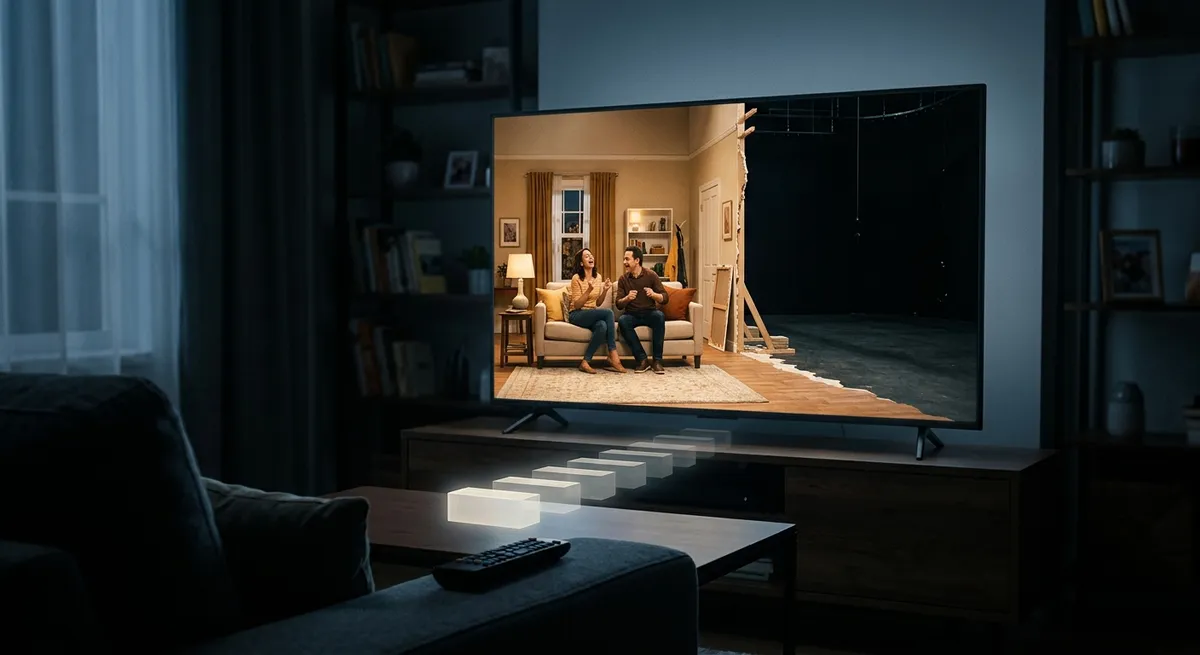
You find a new show, fall hard for it, tell everyone you know, and then — cancelled. No resolution, no closure, just a platform moving on like it never happened. This keeps happening, and it is not bad luck. It is a business decision, and once you see the math behind it, every cancellation will make a depressing kind of sense.
The Numbers That Explain Everything
Here is a stat worth sitting with: the average TV season ran 20 to 24 episodes in 2006, then 15 to 22 episodes in 2016, and by 2026, the average season clocks in at just 7 to 10 episodes. That is not a gradual drift — that is a near-total collapse of the long-form TV format within a single generation of viewers.
Why does episode count matter so much? Because shorter seasons mean less runway. Less time for writers to build characters you actually care about. Less time for an audience to find the show and fall in love with it. And crucially, less tolerance for a rough start.
Consider The Office (US), which nearly got axed after a low-rated first season. NBC believed in it anyway, renewed it, and eventually got nine seasons of one of the most beloved comedies of the century. Parks and Recreation premiered to 6.77 million viewers and then shed audience almost every single week — yet NBC had already committed to a full episode slate based on their faith in creators Greg Daniels and Michael Schur. Both shows needed time to find themselves. Neither would survive streaming's current model.
Streamers Stopped Betting on You
The shift traces back to a fundamental difference in how streaming platforms make money compared to traditional networks. Broadcast TV runs on ad revenue, which means ratings for individual shows matter. Streamers run on subscriptions, which means what matters is whether you stay subscribed — not whether any one show thrives.
From roughly 2009 to 2022, streaming platforms were in growth mode, throwing original ideas at the wall to attract new subscribers. Scripted content production reportedly tripled during this period. It was genuinely exciting — weird, bold, original stuff was getting made because the model rewarded experimentation.
Then the model changed. Streamers shifted from acquiring new subscribers to retaining existing ones and growing profits. Suddenly, licensing a proven hit like Friends or greenlighting another season of Emily in Paris looked a lot smarter than backing an unknown quantity that might need two seasons to hit its stride.
Data firm Luminate reported that broadcast networks saw a 21 per cent drop in original shows between 2024 and 2025 — from 196 down to 154 — as they scrambled to compete. HBO Max, Netflix, Paramount, and Hulu all saw drops in original programming during 2025. The original content gold rush is over.
The IP Trap and What It Costs New Talent
With big streamers chasing safe returns, the industry has leaned hard into reboots, sequels, and adaptations. This year alone brought reboots of Malcolm in the Middle and That '90s Show, plus sequels to decades-old films like The Devil Wears Prada and Practical Magic. Meanwhile, Mindy Kaling's original comedy Not Suitable for Work was cancelled after a single season.
This has real consequences beyond disappointed viewers. According to the brief, there has been a 30 per cent drop in Hollywood crew employment since the end of 2022. A third of Los Angeles soundstages are reportedly sitting completely vacant. Original scripts are where new talent gets discovered — and with fewer of them being made, the pipeline for the next generation of actors, writers, and directors is narrowing.
When India Navarette broke through via the indie film Obsession this year, it sparked genuine cultural conversation precisely because it was so rare. An original project, a new face, an actual discovery moment — the kind of thing the industry used to produce routinely.
The Filler Episode Deserves a Eulogy
There is something almost radical about defending the filler episode in 2026, but here it is: those weird, low-stakes detours were actually doing important work. They gave writers room to experiment and audiences room to breathe. They are also how some of TV's best creative decisions happened by accident.
Friends is a perfect example. Monica and Chandler were never meant to be a long-term couple — the writers reportedly saw how audiences responded to their fling and wove it permanently into the story. That kind of responsiveness to viewer energy requires episodes to spare. It requires the luxury of a long season where not every minute has to carry plot weight.
With 7 to 10 episodes per season, there is no room for a swing that does not connect. Everything has to work, which means everything gets safer. And safe television, by definition, is less likely to surprise you.
What Actually Drives a $300 Billion Company
As of late 2026, Netflix carries a market capitalisation of around $300 billion — up over $50 billion in just six years. Subscription prices keep climbing. And yet the volume and ambition of new original content keeps shrinking, with the platform reportedly pushing investment toward live specials, podcasts, and short social media videos instead.
A YouGov survey found that around a quarter of UK adults now wait for streaming originals to finish their entire run before starting to watch — specifically because they have been burned by cancellations with unresolved storylines. Around a third estimated that between one and three shows they had started since February 2022 were cancelled mid-story. Audiences have learned to be cautious, and that caution further suppresses the early viewership numbers that might save a struggling new show.
Meanwhile, per reporting cited in the brief, the percentage of original films has dropped from 40.9 per cent in 2000 to 18.6 per cent in 2024, while non-original films rose from 59.1 per cent to 81.4 per cent. The same logic gutting TV is doing the same to cinema.
You Can Push Back — a Little
As an individual viewer, your leverage is real but limited. Finishing a show matters algorithmically — completion rates and early engagement numbers influence renewal decisions. Watching original films and series in their first few weeks carries more weight than catching them later. Subscribing to platforms like MUBI, which specifically platforms independent and original film, puts money where the alternatives are.
But the honest truth is that the bulk of the power sits with billion-dollar companies optimising for shareholder return, not artistic legacy. They will not change direction voluntarily. What you can do is stop treating every cancellation as random bad luck — it is not. It is a system working exactly as designed. Knowing that at least makes the grief a little easier to place.