
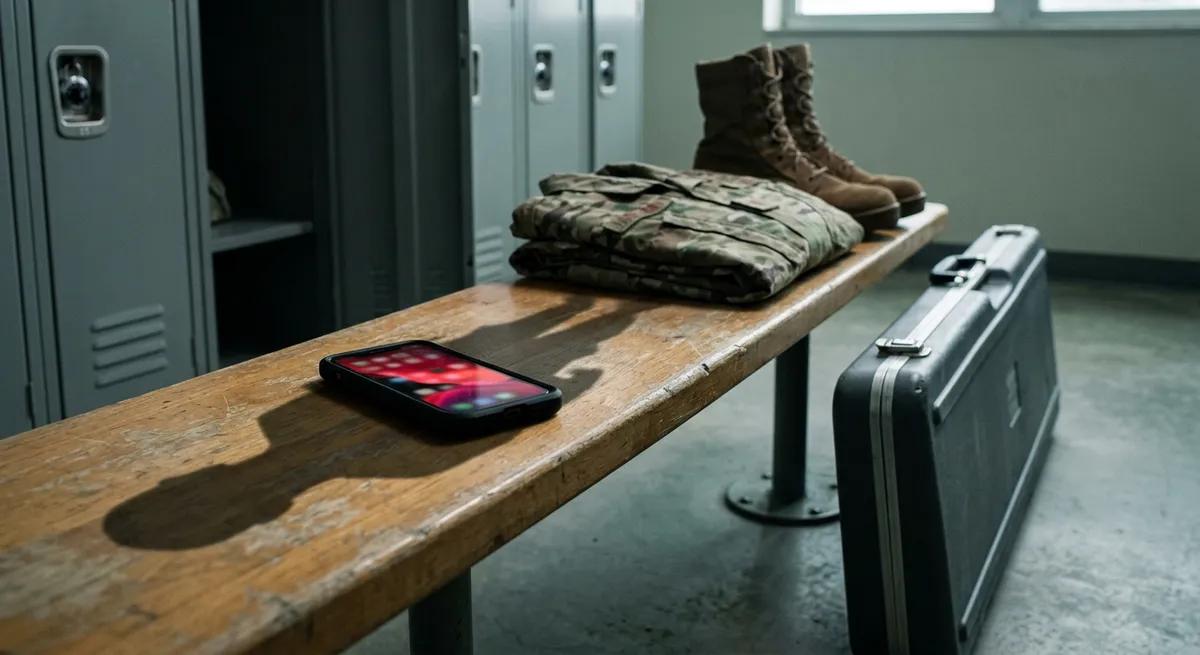
Recent reports have brought alarming attention to the case of the Belleville gunman, who allegedly promoted COVID-19 conspiracy theories while serving in the army. This troubling connection raises important questions about how misinformation and conspiracy beliefs can escalate into real-world violence, particularly within military environments where trust and authority are paramount.
The Rise of COVID-19 Conspiracy Theories
The COVID-19 pandemic has spawned a multitude of conspiracy theories, from claims about the virus being artificially created to the idea that a widespread vaccination effort is part of a government takeover. Among certain groups, these theories fueled paranoia and distrust, pushing individuals to seek out extremism as a solution to their fears. For those within armed forces, such beliefs can become particularly dangerous, given their access to weapons and training.
Military Culture and Vulnerability to Misinformation
It's crucial to understand why military communities can be particularly susceptible to these conspiratorial ideas. The structure and culture of the military emphasize a belief in loyalty and obedience, which can sometimes override critical thinking and skepticism about information received from authority figures or peer groups. The environment can create a fertile ground for extremist ideas to take root, especially during times of uncertainty like a global pandemic.
Warning Signs of Radicalization
Recognizing the early signs of radicalization can be challenging yet essential for preventing further extremism. In the case of the Belleville gunman, his promotion of conspiracy theories while in the army might have been overlooked as merely eccentricity. However, this is where a comprehensive understanding of what radicalization looks like comes into play. Key warning signs might include:
- Isolationist Behavior: Withdrawal from relationships or discussions with those who disagree.
- Increased Paranoia: A heightened distrust of mainstream information and institutions.
- Extreme Belief Changes: Rapid shifts in ideology or drastic changes in worldview.
How Online Beliefs Translate to Real-World Actions
The transition from online conspiracy theories to real-world violence isn't a straightforward leap but a gradual process. As individuals engage with extremist content online, they often begin to derive a sense of community and purpose, which can accelerate their commitment to these beliefs. In a military setting, this is particularly concerning because members may continue to be armed and trained, giving them the means to act on their beliefs.
The Need for Screening and Awareness
As public scrutiny grows regarding how military entities manage the threat of misinformation and radicalization, there must be an increased emphasis on screening processes and training programs. Understanding the signs of radicalization and the impact of conspiracy theories should be a priority, ensuring that military personnel are equipped to identify and potentially counteract dangerous ideas within their ranks.
Conclusion
The Belleville case serves as a sobering reminder of the interplay between conspiracy theories and militant conduct. As societies grapple with misinformation's spread, particularly on platforms that have seen a boom during the pandemic, ongoing dialogue about the intersection of conspiracy beliefs and extreme violence in military circles is urgently needed. Addressing this issue proactively could make all the difference in preventing future acts of violence inspired by radicalized ideology.