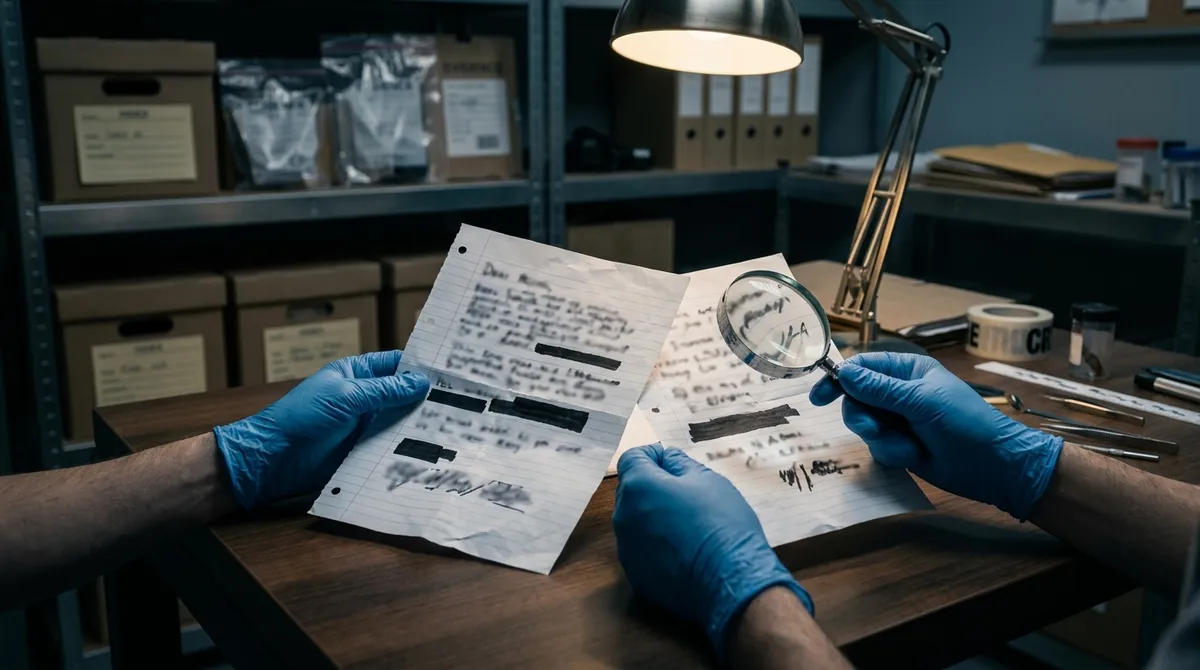
In a chilling twist to the high-profile kidnapping case of Nancy Guthrie, the Pima County Sheriff's Department has released two ransom notes that demand a staggering $4 million in bitcoin for her safe return. What makes these notes particularly intriguing is the authorities' request for public assistance in analyzing the language used within them. In this case, linguistic analysis could be the key to unraveling the mystery behind the person responsible for this crime.
What Are Ransom Notes?
Ransom notes are more than just words on paper; they serve as tangible evidence of a crime that can lead law enforcement to the perpetrators. In the case of Nancy Guthrie, the second note shockingly claimed she died shortly after being kidnapped, casting a dark shadow over the investigation and heightening the urgency for answers.
The Role of Forensic Linguistics
Forensic linguistics involves applying the science of language analysis to legal matters. Linguists scrutinize various elements of written material—such as word choice, grammar, syntax, and even punctuation—to identify the author. Law enforcement can glean valuable insights from these linguistic features, which may help pinpoint the suspects and provide context touching upon their backgrounds. The aim is to build a profile that advances the investigation.
Key Elements Analyzed
- Word Choice: Every word carries nuance and meaning. Specific terms can indicate socioeconomic backgrounds or geographical origins. For instance, the use of slang or specific regional phrases may help experts narrow down who the author could be.
- Syntax: Sentence structure is another critical focus. Unusual sentence patterns or awkward phrasing can hint at the author's education level and even their mental state during composition, offering vital clues.
- Stylistic Features: The overall style—formal, informal, aggressive, apologetic—reveals a lot about the mindset of the writer. Different writing styles can also indicate whether the note was written by an experienced criminal or someone new to the game.
Why This Matters Now
The ongoing investigation into Nancy Guthrie's kidnapping has captured significant media attention since it took place in April 2024. The documents released by the Sheriff's Department not only serve as a public appeal for information but also add layers of complexity to an already intricate narrative. The FBI has disputed the authenticity of the ransom notes, labeling them as forgeries, yet Savannah Guthrie, Nancy's daughter and co-anchor of the Today show, maintains their credibility. This conflicting outlook keeps the case alive in public discourse.
Crowdsourcing Criminal Investigations
In recent years, there has been a shift towards involving the public in criminal investigations. This crowdsourcing approach can be incredibly beneficial because it taps into a diverse array of perspectives and insights. Analyzing the ransom notes' syntax and word choices invites individuals adept in different forms of communication to participate and provide potential breakthroughs in cases that may have stalled.
Conclusion
The stakes in the case of Nancy Guthrie are incredibly high, with both familial ties and the complexities of modern crime methods hanging in the balance. The forensic linguistics approach opens new avenues for understanding and analyzing ransom notes, which might just lead to identifying the author. By paying close attention to the language used in these notes, investigators—and even the public—could play a pivotal role in bringing justice to this distressing case. If you’re interested in the intersection of language and criminal investigation, keep an eye on this evolving story—it’s about to get even more intriguing.